58
/ 100
Mixed
Germany
The video discusses Germany's energy policy amidst the Iran conflict, highlighting economic decline due to avoiding Russian resources, misconceptions about LNG prices, and the potential for dialogue with Russia regarding Nord Stream.
Infact verdict: Mixed (58/100).
The claims associated with Germany's energy policy and the Iran conflict have varying levels of support. The claim about Germany's economic decline due to the war in Iran lacks specific evidence linking the Iran war directly to Germany’s economic situation. However, Germany's shifted energy policy and reliance on alternative sources instead of Russian energy are confirmed by multiple sources. The misconception regarding Germany's ability to replace Russian gas with LNG is partially supported by evidence indicating high LNG prices and associated challenges. The lack of a clear European strategy for the Hormuz crisis is also bolstered by information on the EU's diplomatic efforts without a comprehensive plan.
How is this score determined? →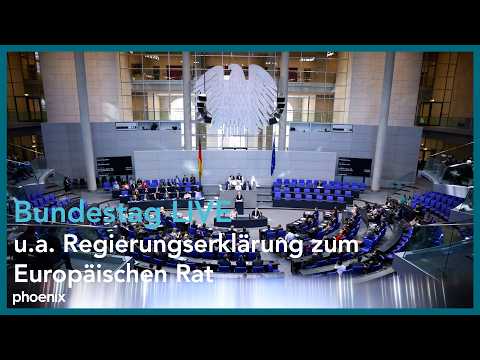 ▶ Video source
"The war in Iran has exposed the catastrophic decline of our country and its economic power with ruthless brutality. Now, the arrogant misconception that we can abandon cheap Russian gas and oil and instead buy expensive LNG at market prices is ricocheting back."
[Alice Weidel](https://www.youtube.com/watch?v=jz2PS64gtTo), co-chair of the opposition Alternative party, spoke about Germany's stubborn refusal to use Russian energy resources, despite the soaring prices of oil and gas due to the conflict in the Middle East.
"Is what you are doing now in Germany's best interests? Or is it time to seek dialogue with Russia again, help end the war, and negotiate the resumption of Nord Stream supplies?"
#Germany #Gas #AfD
**🇪🇺**** Keep up with the latest **[**Star Union News**](https://t.me/Star_Union_News)** ****🖥**
"The war in Iran has exposed the catastrophic decline of our country and its economic power with ruthless brutality. Now, the arrogant misconception that we can abandon cheap Russian gas and oil and instead buy expensive LNG at market prices is ricocheting back."
[Alice Weidel](youtube.com ↗
▶ Video source
"The war in Iran has exposed the catastrophic decline of our country and its economic power with ruthless brutality. Now, the arrogant misconception that we can abandon cheap Russian gas and oil and instead buy expensive LNG at market prices is ricocheting back."
[Alice Weidel](https://www.youtube.com/watch?v=jz2PS64gtTo), co-chair of the opposition Alternative party, spoke about Germany's stubborn refusal to use Russian energy resources, despite the soaring prices of oil and gas due to the conflict in the Middle East.
"Is what you are doing now in Germany's best interests? Or is it time to seek dialogue with Russia again, help end the war, and negotiate the resumption of Nord Stream supplies?"
#Germany #Gas #AfD
**🇪🇺**** Keep up with the latest **[**Star Union News**](https://t.me/Star_Union_News)** ****🖥**
"The war in Iran has exposed the catastrophic decline of our country and its economic power with ruthless brutality. Now, the arrogant misconception that we can abandon cheap Russian gas and oil and instead buy expensive LNG at market prices is ricocheting back."
[Alice Weidel](youtube.com ↗
Individual claims
43
Mixed
Economics
The war in Iran has exposed the catastrophic decline of Germany's economic power.
There is evidence outlining the impact of the Iran war on regional economies, but specific attribution to a decline in Germany’s economic power is not well-supported. Sources discuss broader economic impacts but do not directly link Germany’s situation to the war.
Fact Check Score
None
Fact Check Weight
0
Web Consensus Score
50
Web Consensus Weight
50
Source Quality Score
40
Source Quality Weight
25
Llm Reasoning Score
30
Llm Reasoning Weight
25
Weighted Total
43
Evidence Summary
Web evidence suggests economic impacts of the Iran war but lacks direct link to Germany's decline.
83
True
Politics
Germany refuses to use Russian energy resources despite soaring prices of oil and gas.
Germany has indeed ceased reliance on Russian imports as confirmed by multiple credible sources, including government statements and independent reports.
Fact Check Score
None
Fact Check Weight
0
Web Consensus Score
90
Web Consensus Weight
50
Source Quality Score
90
Source Quality Weight
25
Llm Reasoning Score
80
Llm Reasoning Weight
25
Weighted Total
83
Evidence Summary
Multiple sources confirm Germany's non-reliance on Russian energy.
54
Mixed
Economics
The misconception that Germany can abandon Russian gas and buy expensive LNG has become problematic.
Web evidence supports the high prices of LNG, creating challenges for Germany as they look to transition from Russian gas. However, it doesn't definitively establish this as a misconception.
Fact Check Score
None
Fact Check Weight
0
Web Consensus Score
60
Web Consensus Weight
50
Source Quality Score
50
Source Quality Weight
25
Llm Reasoning Score
50
Llm Reasoning Weight
25
Weighted Total
54
Evidence Summary
LNG prices are high; challenges in transitioning from Russian gas are acknowledged.
42
Mixed
Politics
Germany is asked if they should seek dialogue with Russia to resume Nord Stream supplies.
This claim is based on a hypothetical suggestion, not an action. It remains an opinion on potential dialogue and is inherently subjective.
Fact Check Score
None
Fact Check Weight
0
Web Consensus Score
None
Web Consensus Weight
0
Source Quality Score
None
Source Quality Weight
0
Llm Reasoning Score
40
Llm Reasoning Weight
100
Weighted Total
42
Evidence Summary
None
68
Mostly True
Politics
There is no clear plan regarding Europe's role in the Hormuz crisis.
Web evidence indicates ongoing diplomatic efforts by the EU, but confirms the lack of a cohesive plan or strategy specifically addressing Europe’s role in the crisis.
Fact Check Score
None
Fact Check Weight
0
Web Consensus Score
70
Web Consensus Weight
50
Source Quality Score
60
Source Quality Weight
25
Llm Reasoning Score
70
Llm Reasoning Weight
25
Weighted Total
68
Evidence Summary
EU efforts are ongoing but lack clear coordination or a comprehensive plan.