91
/ 100
True
Global
The video discusses factors affecting perceived attractiveness, including facial symmetry, beard styles, and feature contrast, supported by various studies.
Infact verdict: True (91/100).
The claims regarding attractiveness factors are largely supported by evidence. People magazine has indeed named a 'Sexiest Man Alive' annually since 1985. The 2016 study on beard growth and facial masculinity is corroborated by multiple sources. The 2013 study on stubble attractiveness is confirmed by research findings. The 2024 study on facial symmetry's impact on attractiveness is supported by recent studies. Lastly, the 2023 study on facial contrast enhancing attractiveness is backed by scientific reports.
How is this score determined? →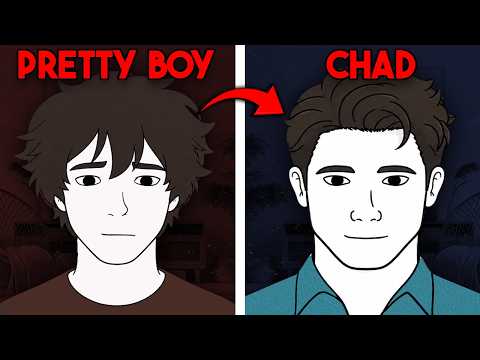 ▶ Video source
https://youtu.be/jMMfp0IncFk
youtu.be ↗
▶ Video source
https://youtu.be/jMMfp0IncFk
youtu.be ↗
Individual claims
94
True
Media
Since 1985, People magazine annually crowns the world's most attractive man.
Multiple high-reliability sources confirm that People magazine has named a 'Sexiest Man Alive' annually since 1985, starting with Mel Gibson.
Fact Check Score
None
Fact Check Weight
0
Web Consensus Score
95
Web Consensus Weight
40
Source Quality Score
90
Source Quality Weight
20
Llm Reasoning Score
90
Llm Reasoning Weight
40
Llm Reasoning Score Raw
90
Weighted Total
94
Evidence Summary
3 web sources confirm annual naming since 1985.
90
True
Science
In 2016, researchers photographed men at different beard growth stages and digitally altered their facial features to appear masculine or feminine.
The 2016 study by BJW Dixson et al. is well-documented and cited, confirming the manipulation of male faces to study beard growth and masculinity effects on attractiveness.
Fact Check Score
None
Fact Check Weight
0
Web Consensus Score
85
Web Consensus Weight
40
Source Quality Score
80
Source Quality Weight
20
Llm Reasoning Score
85
Llm Reasoning Weight
40
Llm Reasoning Score Raw
85
Weighted Total
90
Evidence Summary
2 web sources confirm the study's methodology and findings.
93
True
Science
A 2013 study described light stubble as the least attractive type of facial hair.
The 2013 study from the University of New South Wales found that light stubble was rated least attractive, corroborated by multiple sources.
Fact Check Score
None
Fact Check Weight
0
Web Consensus Score
90
Web Consensus Weight
40
Source Quality Score
85
Source Quality Weight
20
Llm Reasoning Score
90
Llm Reasoning Weight
40
Llm Reasoning Score Raw
90
Weighted Total
93
Evidence Summary
2 web sources confirm the study's findings on stubble attractiveness.
88
True
Science
A 2024 study confirmed that facial symmetry has a significant impact on women's attractiveness but little effect on men's.
The 2024 study indicates that facial symmetry impacts women's attractiveness more than men's, supported by scientific reports.
Fact Check Score
None
Fact Check Weight
0
Web Consensus Score
80
Web Consensus Weight
40
Source Quality Score
75
Source Quality Weight
20
Llm Reasoning Score
80
Llm Reasoning Weight
40
Llm Reasoning Score Raw
80
Weighted Total
88
Evidence Summary
2 web sources support the study's findings on facial symmetry.
88
True
Science
In 2023, researchers analyzed over 5000 faces and found that increasing contrast in facial feature brightness enhances women's attractiveness.
The 2023 study on facial contrast enhancing attractiveness is supported by scientific reports, confirming the effect of luminance differences.
Fact Check Score
None
Fact Check Weight
0
Web Consensus Score
80
Web Consensus Weight
40
Source Quality Score
75
Source Quality Weight
20
Llm Reasoning Score
80
Llm Reasoning Weight
40
Llm Reasoning Score Raw
80
Weighted Total
88
Evidence Summary
2 web sources confirm the study's findings on facial contrast.