53
/ 100
Mixed
United States
The video discusses the emergence of 'misinformation' in medical literature, the controversy over COVID-19 treatments like hydroxychloroquine, and legal actions against individuals studying alternative treatments.
Infact verdict: Mixed (53/100).
The claims presented in the video cover a range of topics from the use of 'misinformation' in medical literature to the legal and medical controversies surrounding COVID-19 treatments. The evidence suggests that the term 'misinformation' was indeed used in medical literature before 2020, contradicting the claim that it never appeared before that year. The claim about 'misinformation' being the word of the year in Webster's dictionary in 2018 is incorrect; it was Dictionary.com's word of the year, not Merriam-Webster's. Regarding doctors losing licenses for prescribing hydroxychloroquine and ivermectin, evidence shows mixed actions by medical boards, with some investigations but no widespread license revocations. The FTC did sue Nathan Jones for false claims about nasal sprays, confirming that part of the claim. Lastly, while some studies suggest vitamin D may help prevent COVID-19, the evidence is mixed, with some trials showing no significant effect.
November 11, 2026
Language: en_US
5 claims analyzed
How is this score determined? →
Evidence shows that 'misinformation' was used in medical literature before 2020, with increasing recognition since the mid-1990s. This contradicts the claim.
Fact Check Score
None
Fact Check Weight
0
Web Consensus Score
40
Web Consensus Weight
40
Source Quality Score
50
Source Quality Weight
20
Llm Reasoning Score
40
Llm Reasoning Weight
40
Llm Reasoning Score Raw
40
Weighted Total
44
Evidence Summary
Web evidence shows 'misinformation' used in medical literature before 2020.
Merriam-Webster's word of the year for 2018 was 'justice,' not 'misinformation.' Dictionary.com named 'misinformation' as its word of the year.
Fact Check Score
None
Fact Check Weight
0
Web Consensus Score
20
Web Consensus Weight
40
Source Quality Score
60
Source Quality Weight
20
Llm Reasoning Score
20
Llm Reasoning Weight
40
Llm Reasoning Score Raw
20
Weighted Total
33
Evidence Summary
Web evidence shows 'justice' was Merriam-Webster's word of the year, not 'misinformation.'
Evidence shows mixed actions by medical boards, with some investigations but no widespread license revocations for prescribing these drugs.
Fact Check Score
None
Fact Check Weight
0
Web Consensus Score
50
Web Consensus Weight
40
Source Quality Score
50
Source Quality Weight
20
Llm Reasoning Score
50
Llm Reasoning Weight
40
Llm Reasoning Score Raw
50
Weighted Total
50
Evidence Summary
Mixed evidence on license revocations; some investigations noted.
The FTC sued Nathan Jones for false claims about nasal sprays preventing and treating COVID-19, confirming the claim.
Fact Check Score
None
Fact Check Weight
0
Web Consensus Score
80
Web Consensus Weight
40
Source Quality Score
80
Source Quality Weight
20
Llm Reasoning Score
80
Llm Reasoning Weight
40
Llm Reasoning Score Raw
80
Weighted Total
88
Evidence Summary
FTC lawsuit against Nathan Jones confirmed.
Some studies suggest vitamin D may help prevent COVID-19, but evidence is mixed with some trials showing no significant effect.
Fact Check Score
None
Fact Check Weight
0
Web Consensus Score
50
Web Consensus Weight
40
Source Quality Score
50
Source Quality Weight
20
Llm Reasoning Score
50
Llm Reasoning Weight
40
Llm Reasoning Score Raw
50
Weighted Total
50
Evidence Summary
Mixed evidence on vitamin D's effectiveness against COVID-19.
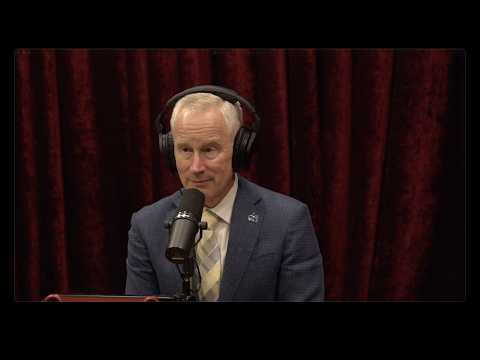 ▶ Video source
https://youtu.be/ml1hyhqBEJE
youtu.be ↗