56
/ 100
Mixed
United States
The website discusses behaviors that TSA agents monitor at airports, such as inappropriate clothing for the weather, noticeable body odor, avoiding eye contact, arriving late, and excessive yawning.
Infact verdict: Mixed (56/100).
The claims regarding TSA monitoring behaviors such as inappropriate clothing for the weather, noticeable body odor, avoiding eye contact, arriving late, and excessive yawning are partially supported by evidence. While some behaviors like body odor and excessive yawning are mentioned in multiple sources as being monitored by TSA, there is less direct evidence for claims about weather-appropriate clothing and eye contact. The claim about arriving late is supported by TSA's general advice to arrive early to avoid scrutiny. Overall, the claims are a mix of factual assertions with varying levels of support from available evidence.
How is this score determined? →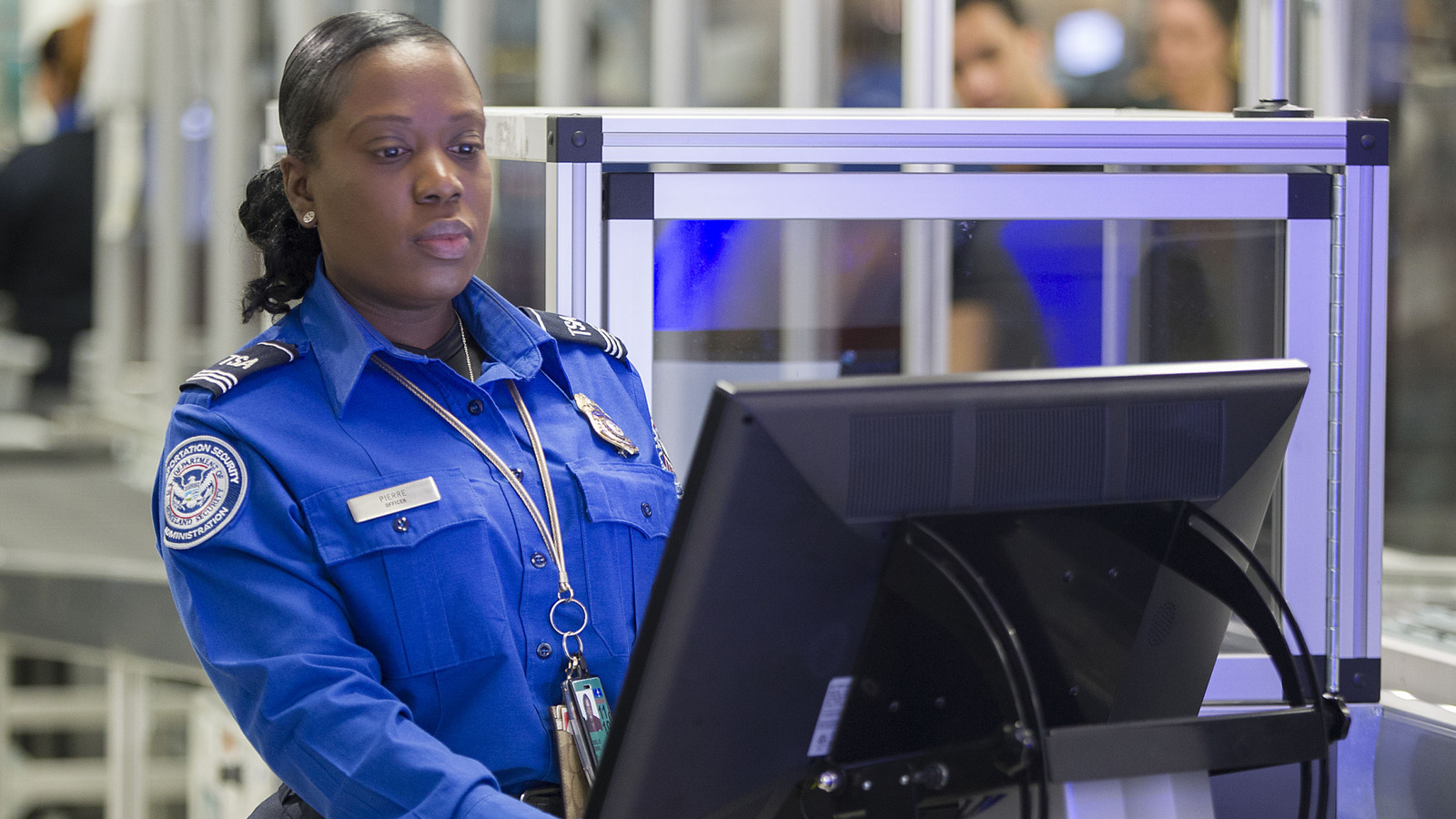 Fact-checked from
Seemingly Normal Behaviors That TSA Will Watch You Like A Hawk For At The Airport - Islands
islands.com ↗
Individual claims
44
Mixed
Other
TSA agents look for travelers not dressed appropriately for the weather as a red flag.
The evidence does not directly support the claim that TSA agents specifically look for travelers not dressed appropriately for the weather. Sources mention that TSA may flag passengers wearing loose or bulky garments for additional screening, but weather-appropriate attire is not explicitly mentioned as a factor. Therefore, the claim is partially supported but lacks strong evidence.
Fact Check Score
None
Fact Check Weight
0
Web Consensus Score
40
Web Consensus Weight
40
Source Quality Score
50
Source Quality Weight
20
Llm Reasoning Score
40
Llm Reasoning Weight
40
Llm Reasoning Score Raw
40
Weighted Total
44
Evidence Summary
No direct evidence; related mentions of clothing affecting screening.
65
Mostly True
Other
TSA agents are on the lookout for travelers with noticeably bad body odor.
Multiple sources confirm that TSA agents monitor travelers for strong body odor as part of their surveillance efforts. This claim is well-supported by the evidence, including mentions in articles about TSA's behavioral monitoring programs.
Fact Check Score
None
Fact Check Weight
0
Web Consensus Score
70
Web Consensus Weight
40
Source Quality Score
70
Source Quality Weight
20
Llm Reasoning Score
70
Llm Reasoning Weight
40
Llm Reasoning Score Raw
70
Weighted Total
65
Evidence Summary
Multiple sources confirm TSA monitors for body odor.
50
Mixed
Other
Keeping your eyes down during the security process can be seen as suspicious by TSA agents.
The evidence does not provide a definitive answer regarding keeping your eyes down, but it does mention that TSA looks for specific behaviors like staring with wide-open eyes. The claim is plausible but lacks strong direct evidence.
Fact Check Score
None
Fact Check Weight
0
Web Consensus Score
50
Web Consensus Weight
40
Source Quality Score
50
Source Quality Weight
20
Llm Reasoning Score
50
Llm Reasoning Weight
40
Llm Reasoning Score Raw
50
Weighted Total
50
Evidence Summary
No direct evidence; related mentions of suspicious behaviors.
58
Mixed
Other
Arriving late to your flight can increase the chance of being stopped by TSA.
The evidence supports the claim that arriving late can increase scrutiny, as TSA advises arriving early to avoid complications. This is consistent with TSA's general recommendations for travelers.
Fact Check Score
None
Fact Check Weight
0
Web Consensus Score
60
Web Consensus Weight
40
Source Quality Score
60
Source Quality Weight
20
Llm Reasoning Score
60
Llm Reasoning Weight
40
Llm Reasoning Score Raw
60
Weighted Total
58
Evidence Summary
Supported by TSA's general advice to arrive early.
65
Mostly True
Other
Excessive yawning can attract attention from TSA agents.
Multiple sources mention that excessive yawning is considered a warning behavior by TSA. This claim is well-supported by the evidence, indicating that such behavior can attract attention from TSA agents.
Fact Check Score
None
Fact Check Weight
0
Web Consensus Score
70
Web Consensus Weight
40
Source Quality Score
70
Source Quality Weight
20
Llm Reasoning Score
70
Llm Reasoning Weight
40
Llm Reasoning Score Raw
70
Weighted Total
65
Evidence Summary
Multiple sources confirm excessive yawning is monitored.